Certified Window & Door Architectural Systems
Manufactured to rigorous European Standards (EN 14351-1), our high-impact and thermal-break assemblies ensure long-term structural integrity and optimum energy containment for Czech architectural frameworks.
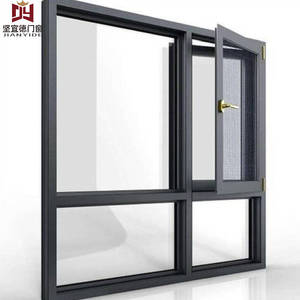
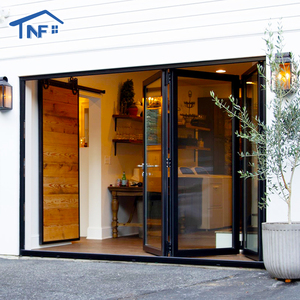
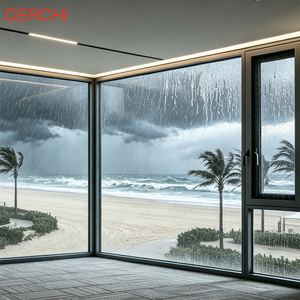
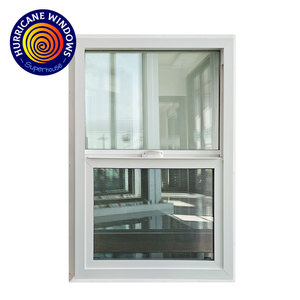
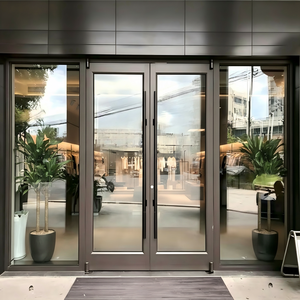
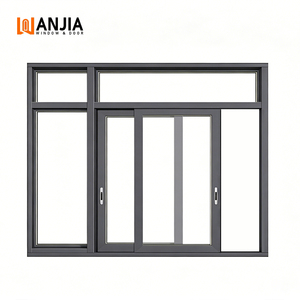
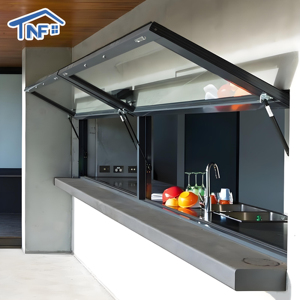
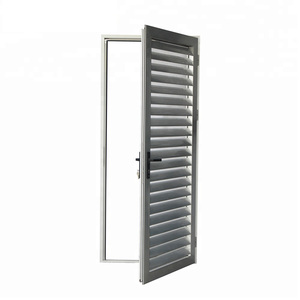
Climatic & Structural Adaptation for Central Bohemia
Deploying fenestration within Prague requires balancing strict municipal preservation guidelines in historic quarters like Vinohrady and Smíchov with aggressive building energy codes (ČSN 73 0540-2) and the EU Energy Performance of Buildings Directive (EPBD).

Four-Side Six-Point Interlocking
Unlike standard sliders that suffer air leakage at the central interlock, our patented mechanism mechanically compresses peripheral EPDM microcellular rubber gaskets against structural stops upon locking, achieving Class 4 Air Permeability (EN 12207).

Acoustic Attenuation ($R_w$ up to 45 dB)
Engineered for dense transit corridors along Prague’s arterial tramways and rail networks, utilizing multi-layered asymmetric acoustic PVB laminates combined with structurally decoupled tracks to attenuate low-frequency urban rumble.

Heritage-Compliant Finishes
Conforming to the National Heritage Institute (Národní památkový ústav - NPÚ) exterior aesthetic demands, our Qualicoat Class 2 certified powder coatings offer matte architectural DB 703, anthracite grey, or custom anodized textures that replicate classic metals without ongoing maintenance.
Localized Architectural Application Profiles in Prague
Configured to satisfy the architectural dynamics across Prague's distinct cadastral districts, from brownfield industrial repurposing to low-energy villa enclaves.
| Prague District / Typology | Primary Application Context | Thermal Target ($U_w$) | Acoustic Target ($R_w$) | Recommended System Configuration |
|---|---|---|---|---|
| Karlín & Smíchov (Post-industrial lofts, modern offices) |
Floor-to-ceiling balcony apertures, wide-span terrace sliders, space optimization | ≤ 1.0 W/(m²·K) | 40 - 44 dB | Ultra-slim profile (20mm interlock), triple acoustic laminate, motorized hidden drives |
| Vinohrady & Žižkov (Apartment revitalizations & infill) |
Courtyard façade expansions, penthouse rooftop access, balcony enclosures | ≤ 1.1 W/(m²·K) | 38 - 42 dB | Lift-and-slide thermal tracks, concealed drainage, RAL 7016 textured dual finish |
| Troja, Dejvice & Nebušice (Luxury villas & low-energy villas) |
Passive-level expansive panoramas, seamless indoor-outdoor transitions | ≤ 0.85 W/(m²·K) | 35 - 38 dB | Heavy-duty thermal break (34mm PA66), quadruple sealing gaskets, warm edge Swisspacer |
| Prague Commercial Suburbs (Modřany, Černý Most facilities) |
Commercial administrative building envelopes, high-cycle storefront openings | ≤ 1.2 W/(m²·K) | 34 - 36 dB | Reinforced stainless-steel track rollers, high cycle endurance test (EN 1191 Class 3) |
Emerging Fenestration Trends in the Czech Republic
How architectural, environmental, and macroeconomic policies are reshaping window selection across Bohemian urban centers.

"Nová zelená úsporám" Program Synergy
The Czech government's flagship fund subsidizes energy-efficient building replacements. Importers and general contractors demand factory certification data matching exact calculation parameters to ensure end-clients qualify for state grants.

Shift from Inward-Tilt to Large Sliders
While traditional Central European architecture relies on tilt-and-turn windows, premium developers are adopting slim horizontal sliders to optimize internal square meters—a critical factor given Prague's escalating real estate prices per square meter.

Transition Away from Plastic (uPVC)
Prague property owners are steering investments toward recyclable architectural aluminum over uPVC due to aluminum's structural stability across seasonal thermal swings, non-yellowing qualities, and minimal profile dimensions.
Enterprise Manufacturing Advantages: Guangdong Dejiyoupin
Decades of automated manufacturing efficiency deployed to support European distributors, construction developers, and procurement companies with direct pricing and reliable compliance.


Questions Prague Contractors & Specifiers Ask Us
Essential insights regarding technical compliance, customs clearance, logistics, and local building performance standards.
Do your aluminum sliding windows satisfy European CE marking standard EN 14351-1?
How do your systems handle the cold winter temperatures of Central Bohemia?
What is the shipping procedure and delivery time from Foshan to Prague?
Can profiles be matched to historical color guidelines set by the Prague Heritage Department?
How do horizontal sliding systems prevent water ingress during torrential wind-driven rain?
What technical documentation is provided to Czech architects during the design phase?
Request Technical Submittals & Factory-Direct Pricing
Partner directly with one of China's premier CE-certified window and door manufacturers. Send us your project schedules, CAD drawings, or performance requirements for an engineering proposal tailored for the Czech Republic.