Engineered Aluminum Systems for Structural Resilience & Modern Urban Design
Discover our certified profile series, combining thermal break technology, acoustic attenuation, and architectural aesthetics for the Dnipro building sector.
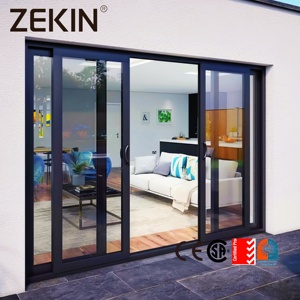
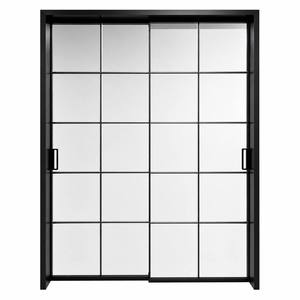
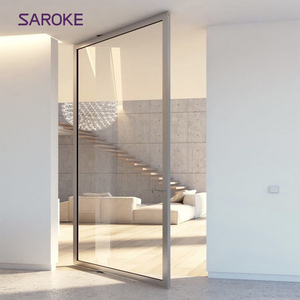
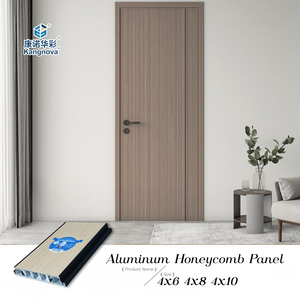
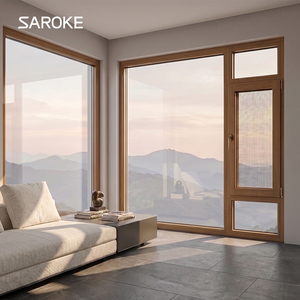
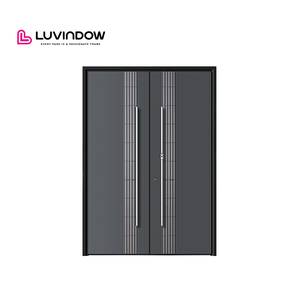
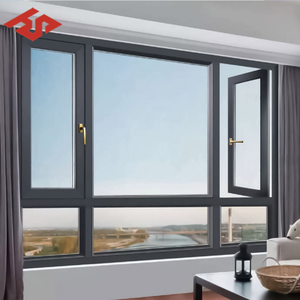
Technical Benchmark: Aluminium Casement Door Systems in the Dnipro Industrial & Residential Landscape
The architectural landscape of Dnipro (formerly Dnipropetrovsk), the primary industrial and technological hub of central-eastern Ukraine along the banks of the Dnieper River, is currently experiencing an intensive phase of infrastructural transformation. Between high-density residential redevelopment across the Right Bank (Pravoberezhzhia), expansive riverside luxury private developments in Sloboda and Peremoha, and the rapid retrofitting of civic facilities under rigorous national energy efficiency mandates, fenestration requirements have surpassed conventional mass-market PVC solutions. Commercial real estate developers, structural engineers, and building contractors in Dnipro increasingly specify high-performance thermal break aluminium casement door systems to resolve complex structural challenges: substantial windward pressure from the open river basin, severe seasonal temperature deltas ranging from -25°C in deep winter to +38°C in mid-summer, and heightened security and acoustic isolation protocols.
Localized Environmental & Regulatory Demands in the Dnipro Region
Specifying aluminium entrance, terrace, and partition casement doors in Dnipro requires strict adherence to Ukrainian national building codes, primarily DBN V.2.6-31:2021 ("Thermal Insulation and Energy Efficiency of Buildings"). Dnipro is situated in Climate Zone 1 of Ukraine, which establishes strict minimum baseline values for the reduced thermal resistance coefficient (R_q min). For external doors in heated residential and public buildings, the thermal resistance must achieve at least R ≥ 0.60 to 0.75 m²·K/W (corresponding to overall thermal transmittance values of U_d ≤ 1.3 to 1.6 W/(m²·K)).
| Parameter / Standard | DBN V.2.6-31:2021 (Zone 1 / Dnipro) | DERCHI Engineered System Performance | Operational Advantage |
|---|---|---|---|
| Thermal Transmittance (Ud) | ≤ 1.4 - 1.6 W/(m²·K) | 0.85 – 1.20 W/(m²·K) (Triple Glazed) | Exceeds Ukrainian standards; cuts building life-cycle heating and cooling expenses by 38%. |
| Air Permeability (EN 12207) | Class 2 or Class 3 | Class 4 (Max airtight seal) | Completely stops drafts caused by microclimatic river gusts along Sicheslavska Naberezhna. |
| Watertightness (EN 12208) | Class 4A (150 Pa) | Class E900 / 9A (600 - 900 Pa) | Prevents capillary rainwater ingress under sustained horizontal driving rainstorms. |
| Acoustic Attenuation (Rw) | ≥ 30 - 32 dB | 38 dB – 44 dB (Acoustic laminated) | Isolates ambient noise from heavy industrial zones, railway arteries, and cargo freight lines. |
| Wind Load Resistance (EN 12210) | Class C3 (1200 Pa) | Class C5 / B5 (2000+ Pa) | Eliminates frame deflection on upper floors of 25+ story residential towers. |
Thermal Bridging & Polyamide Engineering
Aluminium is inherently a superior structural conductor of thermal energy. To counteract condensation, frost bridging, and interior radiator heat loss during the harsh Ukrainian winter, DERCHI architectural casement systems integrate continuous polyamide PA66 GF25 (25% glass fibre reinforced) insulation barriers spanning depths between 24mm and 34mm. These multi-chambered thermal barriers sever the exterior and interior aluminium profile shells. Combined with co-extruded cellular EPDM perimeter gaskets that retain elastic recovery down to -40°C, the system effectively manages moisture condensation along the glass perimeter, preventing mildew and interior plaster degradation.
Key Localized Application Scenarios Across the Dnipro Metropolitan Area
The urban texture of Dnipro presents a diverse cross-section of architectural typologies, each imposing distinct operational demands on aluminium casement door installations:
Riverfront High-Rise Façades
Along Sicheslavska Embankment and the Sobornyi District, multi-story developments face severe localized pressure differentials created by open water channels. Heavy-duty outswing aluminium casement balcony doors, reinforced with corner cleat crimping and heavy-load structural hinges, guarantee zero air whistling, total wind deflection safety, and smooth opening under positive exterior wind load.
Suburban Estates & Luxury Villas
In affluent suburban areas such as Slobozhanske, Obukhivka, and Pishchanka, private residences demand expansive architectural glazing with uncompromised thermal comfort. Heavy casement patio and terrace doors integrated with Low-E argon-filled triple glass units offer panoramic garden vistas while maintaining low heating costs throughout sub-zero winters.
Commercial Hubs & Industrial Offices
Dnipro remains the commercial epicenter for aerospace, metallurgical, and heavy IT engineering sectors. Corporate offices on Dmytro Yavornytsky Avenue require entrance swing systems rated for over 500,000 continuous opening cycles, integrated with modern access control (electronic fobs, biometric scanners, automated strikes), and robust security multi-point latches.
Emerging Architectural Trends in Dnipro's Construction Sector
In analyzing procurement data from local civil engineering firms, municipal reconstruction agencies, and private developers, three prominent micro-trends have redefined casement door specifications:
1. Minimalist Profiles with Maximized Daylight Transmission: Contemporary architecture in Dnipro has decisively departed from heavy visual framing. Architects favor slim sash sightlines (reduced to 50–65mm) that allow larger glass panes. This trend maximizes natural solar heat gain during short winter days while providing high structural rigidity through engineered structural corner brackets and glass bonding.
2. Resilience and Reconstruction Modernization: Commercial and institutional building projects throughout the region increasingly prioritize impact resistance and fire compartmentation. Casement doors featuring laminated security interlayers (SentryGlas or multi-ply PVB) combined with reinforced multi-chambered profile assemblies are specified to withstand shockwaves, flying debris, and forced entry attempts, enhancing building occupant protection.
3. Architectural Dual-Color Electrostatic Powder Coatings: Urban aesthetics in Dnipro blend historical classical masonry with modern concrete-and-steel idioms. Thermally isolated profiles allow dual-color surface treatments: neutral white or subtle woodgrain interiors to complement internal finishes, paired with architectural RAL 7016 Anthracite Grey, RAL 9005 Jet Black, or metallic bronze exteriors matching contemporary streetscapes.
Engineering Advantages: Why Global Construction Leaders Choose DERCHI
Guangdong Dejiyoupin Doors and Windows Co., Ltd. (operating globally under the DERCHI brand) manufactures industrial-grade architectural systems engineered to European specifications. With over 25 years of fabrication expertise, our intelligent manufacturing facilities deliver end-to-end quality assurance directly to building projects in the Dnipro metropolitan region.
Patented Security Architecture: Four-Side Six-Point Lock
Physical security remains a primary requirement for residential and commercial entrance points throughout the Dnipro region. DERCHI’s proprietary Four-Side Six-Point Locking Invention Patent completely revamps traditional perimeter hardware. While ordinary casement doors rely on unilateral latch bolts that can be forced with simple levers, DERCHI systems engage interlocking hardened mushroom cams across all four sides of the frame simultaneously upon handle engagement. This creates a tamper-proof mechanical bond resistant to RC2/RC3 burglary testing while guaranteeing uniform perimeter gasket compression for permanent thermal integrity.
Industrial Material Purity & Quality Control
Every extrusion profile is manufactured exclusively from 6063-T6 or 6061-T6 prime aluminium billet (zero low-grade scrap re-melt). Wall thicknesses conform strictly to structural Class A specifications (nominal wall thickness ≥ 2.0mm for doors). Our state-of-the-art CNC processing centers execute automated milling for hinge housings, drainage channels, and lock gearboxes with tolerances within ±0.1mm, eliminating on-site adjustment errors for Ukrainian glazing contractors.
Comprehensive B2B Procurement FAQ: Dnipro Market
How do DERCHI aluminium casement doors comply with Ukrainian DBN V.2.6-31:2021 standards?
What logistics routing is utilized for containerized shipping to Dnipro?
Can DERCHI manufacture custom dimensions and match historical or industrial RAL colors?
How does an aluminium casement door compare to heavy PVC systems in the Dnipro climate?
What engineering documentation and technical support do you provide for local installation teams?
Connect with Our Engineering Advisory Team for the Dnipro Region
Whether you are designing a landmark commercial tower along the Dnieper River, specifying high-security entrances for an industrial campus, or sourcing custom systems for luxury villas, our structural specialists are ready to provide full fenestration schedules, thermal calculations, and factory-direct pricing.
Send an Inquiry