B2B Architectural & Fenestration Whitepaper

Top 10 Aluminium Net Door Suppliers & Exporters

Global Engineering Guide: Structural Metallurgy, Stainless Security Mesh Weaves, Zero-Threshold Ergonomics, and Factory Benchmarks for International Procurement.

Precision Fenestration Portfolio

High-Performance Aluminium Net Door & Architectural Systems

Engineered for rigorous pest exclusion, high-tensile forced-entry deterrence, and seamless indoor-outdoor architectural transitions. All systems feature architectural alloy frames and high-durability screen media.
1. The Global Aluminium Net Door Landscape: Engineering, Security, and Fenestration Evolution

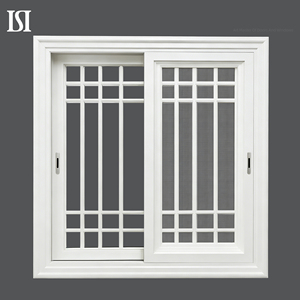
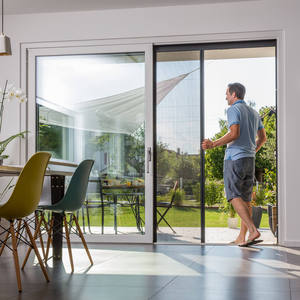
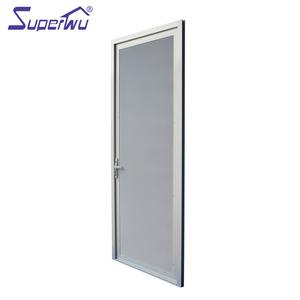
Modern fenestration design has shifted definitively away from rudimentary lightweight flyscreens toward fully structural, integrated aluminium net door assemblies. Contemporary residential and commercial architecture demands building envelopes that seamlessly unite natural ventilation, high optical clarity, stringent pest exclusion, and tested forced-entry resistance. In coastal and tropical regions across North America, Europe, Australia, and the Middle East, aluminium net doors are no longer secondary accessories—they are engineered life-safety barriers designed to withstand hurricane wind velocities, extreme saline corrosion, and severe structural impacts.

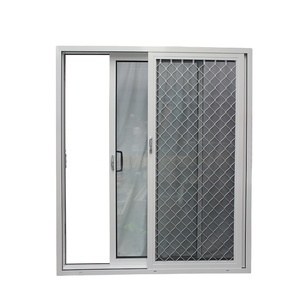
Specifying an aluminium net door system requires precise understanding of structural alloy composition (e.g., 6063-T5 vs. 6063-T6), screen media metallurgy (marine-grade AISI 316 stainless steel woven wire mesh versus advanced memory polyester pleated media), and multi-point perimeter anchorage mechanisms. Weak perimeter retention strips or low-gauge frame extrusions fail catastrophically under mechanical crowbar attacks or static wind loads. Hence, Tier-1 global exporters integrate continuous retention bead locks, heavy-duty pneumatic corner crimping, and patented multi-point tie-down hardware into their fabrication lines.

B2B Engineering Note: When auditing global net door suppliers, project specifiers must verify whether assemblies comply with internationally recognized impact and shear benchmarks—such as Australian Standard AS 5039 / AS 5041 (Knife Shear, Dynamic Impact, and Jemmy Test), European standard EN 1627-1630 (Resistance Classes RC2/RC3), and American ASTM F588 forced-entry resistance tests.

Key Screen Media Typologies in B2B Procurement

Procurement teams must carefully delineate screen materials based on climatic exposure, pest vulnerability profiles, and mechanical performance requirements:

Screen Typology Material Core & Gauge Tensile Strength (MPa) Primary Application Corrosion Resistance
AISI 316 Marine Stainless Mesh 0.80mm – 1.00mm High-Tensile Wire ≥ 900 – 1150 MPa Anti-Burglary, Bushfire/Ember Protection (BAL-40/FZ) Exceptional (3,000+ hrs Neutral Salt Spray)
AISI 304 High-Tensile Mesh 0.70mm – 0.90mm Austenitic Wire ≥ 750 – 900 MPa Residential Security & Pet Resistance High (Inland & Urban Environments)
Accordion Plisse (Pleated) Media Woven High-Tenacity Polypropylene/PE Flexible Ductility Core Large-Span Bifold & Sliding Doors, Retractable Inert to oxidation; UV-stabilized
Vinyl-Coated Fiberglass Mesh 0.28mm Woven Glass Fiber Core Flexible Elastic Standard Micro-Insect Exclusion (No-See-Ums, Midges) Immune to rust; moderate tear threshold
Perforated Aluminium Screen Sheet 1.6mm – 2.0mm Architectural Grade 5052 ≥ 220 MPa Contemporary Privacy & Mid-Tier Security Doors Ultra-High (Qualicoat Class 2 Powder Coat)
Procurement Intelligence

Core Technical Vectors in Aluminium Net Door Engineering

Architects and bulk importers must evaluate suppliers across five decisive manufacturing pillars to prevent premature frame warping, roller derailment, and joint oxidation.

1. Alloy Extrusion & Wall Thickness

Structural stability demands primary-billet 6063-T5/T6 alloy with minimum wall thicknesses of 1.4mm to 2.2mm. Sub-gauge extrusions (<1.2mm) warp under wind loads and cause air-leakage along the perimeter acoustic gaskets.

2. Tension Retention & Bead Locking

Top-tier suppliers utilize proprietary chemical bonding and mechanical clamping systems that eliminate visible screws. Retaining the wire mesh inside a heavy-duty continuous extrusion channel prevents mesh pull-out during crowbar impact.

3. Surface Coating & Saline Resistance

Electrostatically applied architectural powder coating adhering to AAMA 2604/2605 or Qualicoat Class 2 specifications provides 60–80 micron dry film thickness, resisting chalking, gloss reduction, and up to 3,000 hours of ASTM B117 salt spray exposure.

4. Multipoint Latching & Hardware

Burglars attack hinges and locks. Quality exporters employ high-grade stainless steel four-side, multi-point transmission gear drive systems with concealed anti-lift pins, heavy-duty pivots, and European profile cylinders.

5. Barrier-Free Threshold Ergonomics

Modern luxury villas require zero-step, recessed floor tracks with integrated concealed drainage chambers. Systems must glide on self-cleaning precision stainless steel or POM ball-bearing rollers rated for >100,000 operation cycles.

Industrial Benchmark Matrix

Top 10 Aluminium Net Door Suppliers & Exporters Worldwide

A rigorous comparative analysis of global manufacturers evaluating production scale, patent portfolios, certification governance, and engineering agility.

01

Guangdong Dejiyoupin Doors and Windows (DERCHI)

Foshan, China · Global Headquarters

Recognized as a "China Famous Brand" by Xinhua News Agency, DERCHI represents the pinnacle of intelligent manufacturing with an expansive 180,000 m² smart production base. Holds 100+ national patents including the proprietary Four-Side Six-Point Lock anti-burglary invention. Fully certified across CE (EN 14351-1), AS2047, NFRC, CSA, and ISO 9001, exporting premium custom net doors, thermal-break sliding screens, and integrated bifold fenestration across 5 continents.

180,000 m² Campus 1,000,000+ m² Output 100+ Patents CE / AS2047 / ISO9001
02

Schüco International KG

Bielefeld, Germany

Global leader in ultra-premium building envelope systems. Schüco’s integrated insect and fly screening systems blend invisibly into high-performance structural profiles. Recognized for passive house certifications, ultra-low U-values, and seamless smart-home integration.

Passivhaus Validated DIN EN 1627 Ultra-Slim Sightlines
03

Crimsafe Security Systems

Queensland, Australia

The worldwide benchmark for woven high-tensile 304 structural security mesh doors. Pioneered the patented Screw-Clamp screw-retention technology which mechanically forces the stainless steel mesh into the structural aluminium frame.

AS 5039 Security Screw-Clamp Tech BAL-FZ Bushfire
04

Reynaers Aluminium NV

Duffel, Belgium

Specializes in minimalist architectural sliding door systems with integrated micro-mesh fly screens. Renowned for its Mosquiro insect-screen profile series, engineered specifically for large-dimension bifold and lift-and-slide patio formats.

Qualicoat Seaside Mosquiro System Cradle-to-Cradle
05

AluPure (profine Group)

Troisdorf, Germany

Offers specialized architectural aluminium sliding and casement systems with heavy emphasis on integrated insect screening mechanisms for the European and Asian luxury villa markets. Exceptional hardware tolerances and acoustic performance.

German Hardware Multi-Chambered Extrusions EN ISO 14001
06

YKK AP Inc.

Tokyo, Japan

Renowned for micro-precision engineering and high-durability sliding insect screen systems. Features ClearNet mesh technology, which reduces thread diameter to 0.15mm, improving airflow by 20% and optical clarity by 30% over standard wire.

ClearNet Technology AAMA Certified Micro-Mesh Systems
07

Superhouse Windows & Doors

Shanghai, China

A dedicated exporter serving Australia, the USA, and Canada with heavy-gauge security mesh swing doors and double-glazed sliding assemblies equipped with marine stainless steel wire nets. Verified under AS2047 and NFRC thermal compliance.

AS2047 Standard Export Container Loading Stainless 316 Mesh
08

Phantom Screens

British Columbia, Canada

North America’s foremost specialist in architectural retractable door screens. Utilizes extruded aluminium housing cassettes and motorized spring-tension roller systems that integrate into flush wall cavities.

Retractable Cassettes Motorized Integration Somfy RTS Compatible
09

Meshtec International

Chiang Mai, Thailand

Global OEM provider of high-tensile stainless steel security screen systems and architectural woven mesh. Exports extensively to tier-1 window manufacturers in Australia, the US, and Europe for private labeling.

OEM/ODM Specialist AISI 316 Weaving Salt Spray 3000h
10

Genius Retractable Screens

Milan, Italy

European leader in pleated Plisse insect screen doors and barrier-free zero-floor track net systems. Engineered specifically for Mediterranean patio enclosures and large contemporary French doors.

Plisse Accordion Mesh Zero-Threshold CE Mark EN 13561

Enterprise In-Focus: Guangdong Dejiyoupin Doors and Windows Co., Ltd. (DERCHI)

Headquartered in Foshan, China—the global capital of precision aluminium extrusions—Guangdong Dejiyoupin Doors and Windows Co., Ltd. (operating internationally under the DERCHI brand) represents an engineering paradigm for commercial and luxury residential fenestration. Operating from an immense 180,000 m² smart manufacturing campus with an annual capacity exceeding 1,000,000 m², the enterprise delivers end-to-end bespoke solutions to commercial developers, architects, and bulk importers worldwide.

Dejiyoupin's engineering strength is backed by 30+ dedicated R&D engineers and a patent portfolio surpassing 100 independent innovations. Among these is the celebrated Four-Side Six-Point Lock invention patent, which mechanically interlocks the aluminium net door sash into the structural frame across all four margins simultaneously. With rigorous certifications spanning CE (EN 14351-1), ISO 9001, AS2047, NFRC, CSA, and Energy Star, DERCHI has successfully completed over 18,000 global projects, establishing over 300 distributor and trade partnerships globally.

Send an Inquiry
180,000
m² Production Base
1,000,000+
m² Annual Output
100+
Invention & Utility Patents
18,000+
Global Projects Delivered

2. Future Sourcing & Engineering Trends in Aluminium Net Doors (2025–2030)

The architectural net door sector is experiencing rapid technological disruption driven by stringent building energy codes, climate adaptation requirements, and smart home automation. Forward-thinking procurement teams must factor the following macro developments into their multi-year sourcing schedules:

1. Thermal Break Decoupling in Net Door Subframes

Historically, screen doors functioned as uninsulated attachments placed on the exterior or interior of primary glazing. However, strict energy mandates—such as Germany’s GEG, France’s RE2020, and California’s Title 24—penalize thermal bridging caused by auxiliary metallic frames. Next-generation net doors integrate polyamide (PA66 GF25) thermal insulation struts directly inside the screen door subframe, ensuring that when the main glass panel is opened for ventilation, heat gain or conductive condensation is prevented at the perimeter.

2. Invisible Barrier-Free Recessed Track Systems

Universal design and barrier-free ergonomics are now mandatory in luxury hospitality and modern residential developments. Traditional raised bottom tracks (often 25mm to 45mm high) present trip hazards and disrupt clean architectural lines. Emerging standards utilize sub-floor drainage troughs where the bottom guide profile is recessed completely flush with the finished tile or hardwood floor (0mm threshold). Precision drainage channels engineered within the extrusion evacuate storm washouts before hydrostatic head pressure forces water indoors.

3. Motorized Smart Integration & Sensor Automation

Luxury villas and high-end storefronts increasingly require motorized pleated or roll-down insect mesh doors integrated into home automation protocols (KNX, Zigbee, Control4, Matter). Sourcing trends demonstrate exponential growth in concealed brushless DC tubular motors equipped with electronic obstacle sensors, anti-wind zip-rail retention guides, and anemometer-triggered automated retraction during gale-force storms.

4. Marine Grade Anti-Microbial & PM2.5 Micro-Filtration Meshes

Urban density and environmental airborne particulate concerns have catalyzed demand for hybrid screen media. Beyond standard insect exclusion, advanced electrostatically charged polyester meshes capture up to 85% of PM2.5 fine dust and pollen particles while maintaining adequate laminar air changes per hour (ACH). In tropical hospitality venues, specialized nano-coatings applied to stainless steel wire inhibit bio-film adhesion and bacterial accumulation caused by humidity.

Procurement Playbook

B2B Quality Assurance & Factory Audit Protocol

A step-by-step checklist to avoid costly import disputes, structural failures, and maritime corrosion claims.

Mill Test Certificate (MTC) Verification

Always demand an official 3.1 Mill Test Certificate confirming primary 6063 aluminium billet chemistry (Si: 0.2-0.6%, Mg: 0.45-0.9%) and AISI 316 wire mesh nickel (≥10%) and molybdenum (≥2%) thresholds to verify genuine marine-grade performance.

Corner Joint Pneumatic Crimping Audit

Ensure the supplier employs heavy-duty cast aluminium corner cleat inserts injected with two-part polyurethane structural adhesive (epoxy crimping), rather than simple self-tapping screw joints that loosen during maritime transport.

Anti-Galvanic Isolation Inspection

Direct contact between stainless steel wire mesh and aluminium extrusions induces rapid galvanic corrosion in coastal air. Confirm the factory utilizes continuous EPDM, PVC, or composite insulating gaskets to fully isolate dissimilar metals.

Export Packaging & Crating Standards

Net doors must be packed in fully enclosed fumigated plywood crates (ISPM 15 compliant) with five-layer corrugated protection, closed-cell corner guards, moisture-absorbing silica gel packs, and waterproof shrink wrapping to prevent container condensation.

Knife Shear & Dynamic Impact Witnessing

For security-rated shipments, require the exporter to provide video-documented batch testing or third-party laboratory test reports demonstrating compliance with AS 5041 Knife Shear and 100-Joule dynamic drop tests.

Procurement Intelligence

Frequently Asked Questions: Global Sourcing of Aluminium Net Doors

Comprehensive engineering and commercial answers to resolve the most common concerns faced by international architects, importers, and fenestration contractors.

What is the crucial performance difference between 304 and 316 stainless steel security mesh in net doors?
The core difference lies in metallurgy and corrosion resistance. Grade 304 stainless steel contains 18% chromium and 8% nickel. Grade 316 contains approximately 16% chromium, 10% nickel, and a minimum of 2.0% to 3.0% molybdenum. The inclusion of molybdenum substantially increases the alloy's resistance to pitting and crevice corrosion in chloride-rich environments (coastal zones, sea spray, and de-icing road salts). While 304 mesh is suitable for inland urban developments, any project located within 10 km of the coast must specify 316 Marine Grade mesh with specialized anti-corrosion black powder coating to prevent irreversible tea-staining and premature degradation.
Can aluminium net doors be integrated into existing thermal break sliding and bifold door systems?
Yes. Leading manufacturers engineer dedicated supplementary screen subframes (multi-track screen channels) designed specifically to marry seamlessly with primary double-glazed thermal break sliders and bifold patio units. High-end systems utilize unified sub-sill extrusions with coordinated drainage channels, ensuring that insect screen panels slide on parallel tracks without compromising the primary glazing system’s thermal decoupling (Uw value), air permeability, or water tightness ratings.
What international standards should be requested for security mesh doors?
For security applications, buyers should specify Australian Standards AS 5039 (Security Screen Doors and Window Grilles) and AS 5041 (Methods of Test), which involve three distinct physical trials: the Dynamic Impact Test (simulating kicking attacks), the Jemmy Test (crowbar leverage attack on lock and hinge points), and the Knife Shear Test (three continuous cutting strokes with high-carbon blades). For European markets, European Norms EN 1627 to EN 1630 (Burglar Resistance Classes RC2/RC3) should be verified. In North America, ASTM F588 is the recognized benchmark.
How do zero-threshold pleated (plisse) net doors prevent wind dislodgement?
High-performance pleated screen systems feature internal tensioning cords manufactured from ultra-high-molecular-weight polyethylene (Vectran or Kevlar cores) running horizontally through every pleat fold. These cords maintain uniform lateral tension across the entire face of the screen. In addition, quality designs incorporate patented bottom caterpillar track chains with interlocking wind-retaining tabs that snap securely inside the ultra-low 3mm floor guide, preventing the mesh from billowing or slipping off the track during high wind gusts.
What powder coating certifications ensure aluminium door frames will not chalk or peel?
Specifiers should demand powder coatings approved under international standards such as Qualicoat (specifically Qualicoat Class 2 for superior exterior weather resistance) or AAMA 2604 / AAMA 2605 (American Architectural Manufacturers Association). These standards require fluoropolymer or super-durable architectural polyester formulations that guarantee gloss retention, resistance to color fading (ΔE color shift), and zero film delamination after thousands of hours in boiling water immersion and accelerated UV weathering (QUV).
What is the standard production lead time and container packing procedure for overseas projects?
Standard OEM/ODM production lead times for custom-dimensioned aluminium net doors range between 25 and 35 calendar days following shop-drawing sign-off and deposit receipt. In export logistics, goods are individually bubble-wrapped with heavy corner protectors, then banded inside custom-built, fumigated plywood crates (ISPM 15 stamped). Crated units are carefully planned inside 20GP or 40HQ maritime containers with airbag dunnage and heavy-duty lashing straps to eliminate load shifting during transoceanic shipping.
How does Guangdong Dejiyoupin (DERCHI) maintain dimensional accuracy across volume orders?
Guangdong Dejiyoupin employs a 360-degree digital manufacturing process utilizing automated CNC 4-axis and 5-axis double-miter machining centers. Profile cuts, lock-pocket routings, and hinge boreholes are driven directly by CAD/CAM software files, maintaining tolerances within ±0.2mm. Every net door sash undergoes factory pre-assembly, pneumatic corner squareness calibration, and digital mesh tension meter inspection prior to export packaging, guaranteeing zero-error site installation for overseas contractors.

Ready to Engineer Your Architectural Net Door Solution?

Connect directly with our senior fenestration engineers for technical shop drawing reviews, customized price schedules, compliance documentation, and project quotation.