Featured Aluminum Window & Glazing Solutions
Precision-extruded profiles, corrosion-resistant EPDM gasket seals, and impact acoustic glazing engineered specifically for high-humidity residential, commercial, and hospitality wet environments.
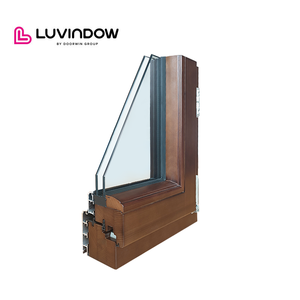
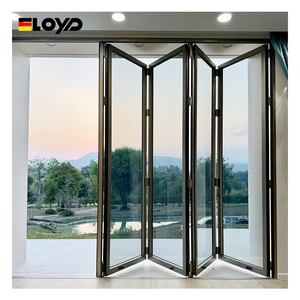
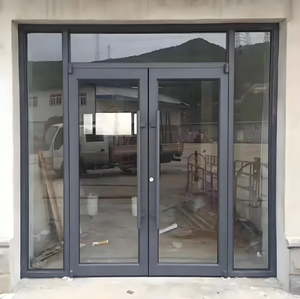
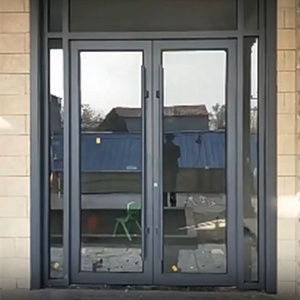
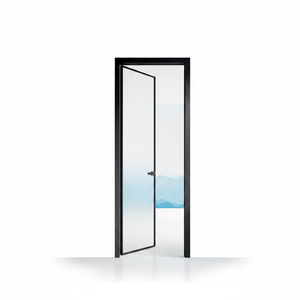
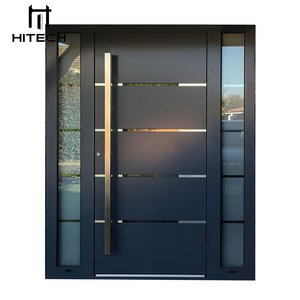
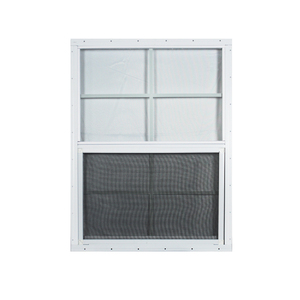
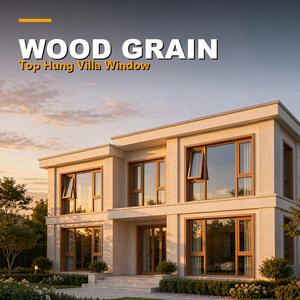
Engineering High-Performance Aluminium Bathroom Windows for Humid Enclosures
Modern architectural engineering demands bathroom fenestration that resolves three competing environmental challenges: extreme intermittent internal relative humidity (RH > 90%), rigorous visual privacy mandates, and aggressive thermal bridging prevention. In humid shower enclosures and master spa suites, inferior window assemblies suffer from warm-edge condensation run-off, mold spore incubation along perimeter silicone seals, and mechanical corrosion of concealed locking hardware.
Specifying high-tier 6063-T6 or 6060-T66 architectural aluminium alloy profiles engineered with multi-chamber thermal breaks (polyamide PA66 reinforced with 25% glass fibre) eliminates internal profile dew-point formation. Combined with triple-sealed co-extruded EPDM cellular gaskets and warm-edge Swiss-engineered spacer bars, modern aluminium bathroom fenestration prevents thermal transfer, mitigates acoustic resonance in dense urban hospitality zones, and provides multi-decade structural resilience against high-pressure wind loads.
Top 10 Aluminium Bathroom Window Manufacturers & Exporters
Comparative audit of international fenestration extruders and custom fabricators evaluated across extrusion purity, thermal performance, watertightness ratings (EN 12208/AAMA 501), and export fulfillment capacity.
| Manufacturer / Brand | HQ & Plant Hub | Primary Strengths | Thermal Tech & Glass Options | Certifications | Annual Capacity |
|---|---|---|---|---|---|
| 1. DERCHI Europe (Guangdong Dejiyoupin) | Foshan, China | Factory-direct custom architectural fenestration, 100+ patents, whole-house engineering | PA66GF25 Thermal Break, Switchable PDLC, Acid-etched Low-E, Argon gas | CE (EN 14351-1), ISO 9001, AS2047, NFRC, CSA | 1,000,000+ m² |
| 2. Schüco International | Bielefeld, Germany | Ultra-luxury system engineering, passive house thermal envelope compatibility | SimplySmart insulation strips, triple/quadruple glazed acoustic inserts | CE, Passive House Institute, DIN EN ISO 9001 | Global Network |
| 3. Reynaers Aluminium | Duffel, Belgium | Minimalist sightlines, concealed sash tilt-and-turn bathroom modules | High-insulation Hi-Finity profiles, solar control privacy glass | Qualicoat, CE Marking, Minergie | Global Fabricators |
| 4. YKK AP Inc. | Tokyo, Japan | High-velocity seismic and typhoon-resistant water-management extrusions | ThermaBond thermal barriers, textured fluted moisture glass | JIS, AAMA, ASTM International | 4,000,000+ m² |
| 5. LIXIL Corporation | Tokyo, Japan | Integrated sanitaryware, antimicrobial surface treatments, automated vents | Slim-frame hybrid resin-aluminium assemblies, obscure lamination | ISO 14001, CE, JIS A4706 | Global Enterprise |
| 6. Alumil S.A. | Kilkis, Greece | Marine-environment anti-corrosive powder finishes for seaside villas and spas | SMARTIA & SUPREME multi-chamber insulation breaks | IFT Rosenheim, CE, Qualanod | 100,000+ metric tons |
| 7. Wicona (Hydro Group) | Ulm, Germany | Circal 75R low-carbon recycled aluminium, sustainable BREEAM/LEED builds | Hydro recycled thermal billets, soundproof obscure IGUs | Cradle to Cradle, CE, ISO 50001 | Hydro Ecosystem |
| 8. Kawneer (Arconic) | Norcross, GA, USA | Commercial curtainwall-integrated bathroom ventilation systems | IsoPour thermal break technology, laminated impact glass | AAMA/WDMA/CSA 101, Miami-Dade NOA | North American Scale |
| 9. Corvision / Cortizo | Padrón, Spain | Ultra-slim architectural patio and bathroom swing-vent systems | Concealed hardware drainage tracks, Reeded/Morocco glass | Qualicoat Seaside, CE, ISO 9001 | 150,000+ metric tons |
| 10. JELD-WEN Aluminium | Charlotte, NC, USA | Large-scale multi-family and hospitality spec builds, rapid-lead supply | Dual-cavity insulated glazing, integrated interior louver blinds | Energy Star, WDMA, NFRC | Multi-facility Global |
Enterprise Operational Profile: Guangdong Dejiyoupin (DERCHI)
Recognised as a "China Famous Brand" by Xinhua News Agency, Guangdong Dejiyoupin Doors and Windows Co., Ltd. operates as a vertically integrated tier-one manufacturer headquartered in Shishan Town, Nanhai District, Foshan. Supplying tier-one hospitality chains (including Hilton Hotels and Atour Hotels) and luxury residential developments from Beverly Hills to European metropolitan centers, the factory provides end-to-end assurance from structural billet extrusion down to container load balancing.
Four-Side Six-Point Locking
Patented multi-point peripheral engagement locking mechanism guarantees anti-burglary protection while uniformly compressing automotive-grade EPDM seals for EN 12208 Class 9A watertight performance.
Intelligent 360° QC Ecosystem
Automated CNC mitering, robotic corner crimping with two-component polyurethane injection, and laser profile alignment guarantee dimensional accuracy within ±0.5mm across high-volume production batches.
International Project Compliance
Every fenestration batch ships with tested compliance verification for European CE (EN 14351-1), Australian AS2047, American NFRC thermal performance ratings, Canadian CSA, and Energy Star qualification.
Product Development Trends in Bathroom Fenestration
Next-generation technological convergence transforming modern luxury en-suites, hospitality spas, and high-performance energy-neutral residential developments.
Switchable PDLC Smart Glass
Polymer Dispersed Liquid Crystal (PDLC) lamination allows instantaneous transformation from 89% optical transparency to complete privacy opacity via sub-second electrical currents, wall switches, or humidity sensors, replacing dusty fabric blinds in moisture zones.
Automated Micro-Ventilation & Concealed Sash
Integrated trickle air vents and automated chain actuators tied to indoor air quality (IAQ) sensors open sashes by 8mm to flush high vapor loads without compromising safety or allowing convective heat loss during cold seasons.
Super-Hydrophobic & Anti-Microbial Coatings
Advanced nanoscale titanium dioxide (TiO₂) and fluoropolymer glass coatings cause water droplets to bead instantly (contact angle > 110°), rinsing away soap residue, preventing hard water limescale accumulation, and sterilizing bacteria under UV rays.
B2B Procurement Trends: How Global Buyers Source in 2026–2030
Wholesale window importers, general contractors, and real estate developers face rapidly shifting macroeconomic parameters. Sourcing strategy has progressed past bare purchase-price negotiation toward holistically mitigating total cost of ownership (TCO), freight volume, and regulatory liabilities.
1. Decarbonized Low-Carbon Aluminium
With the European Carbon Border Adjustment Mechanism (CBAM) active and global ESG benchmarks tightening, procurement directors are specifying primary aluminum smelted via renewable hydroelectric power (yielding < 4.0 kg CO₂ per kg of aluminium) rather than coal-fired smelting.
2. Pre-Glazed Modular Fenestration Units
Rising installation labor costs across Europe, North America, and Australia have made field-glazing cost-prohibitive. Buyers demand pre-glazed, factory-torqued, pressure-tested window assemblies arriving on site ready for fast crane or rough-opening anchor placement.
3. Single-Source Whole-House Architectural Packages
Leading contractors consolidate supply chains by sourcing windows, entry pivot doors, interior flush waterproof bathroom swing doors, and terrace folding doors from a single reliable manufacturer to ensure 100% color match across RAL powder coats and uniform hardware finishes.
4. BIM & Digital Twin Design Integration
Procurement teams demand certified Revit BIM models and IFC CAD datasets directly from manufacturing engineering teams, allowing architects to verify acoustic deflection and thermal Uw calculations during initial project drafting.
Frequently Asked Questions: B2B Bathroom Window Sourcing
Direct technical explanations addressing real engineering, regulatory, and logistics inquiries encountered by project managers and wholesale buyers.
What specific aluminium profile alloy and thermal break configurations should be specified for wet zones?
How do modern aluminium bathroom windows achieve high privacy without sacrificing daylighting?
Which hardware coatings prevent galvanic and chemical corrosion from high-humidity bathroom steam?
What watertightness and air permeability classifications are required under European and US standards?
Tilt-and-Turn vs. Awning vs. Sliding: What is the optimal opening style for bathroom ventilation?
How does Guangdong Dejiyoupin (DERCHI) protect glass and frames during sea freight export?
What is the average lead time for custom OEM architectural window specifications?
Initiate Your Fenestration Project Specification
Submit your architectural CAD drawings, schedule of openings, or project tender documents. Our engineering team provides complete static wind calculations, thermal Uw simulations, and factory-direct wholesale pricing within 24 hours.