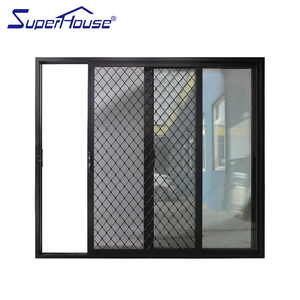
AS2047 Compliant
Australia Standard Sliding Terrace Mesh Glass Doors
Half-glass sliding configuration with high-tensile 304/316 marine-grade stainless wire net. Heavy-duty dual tracking engineered for expansive patio layouts.
Engineered for high structural stability, corrosion protection, bug protection, and optimal ventilation. Fully certified for global building codes including CE, AS2047, NFRC, and ISO 9001.
Half-glass sliding configuration with high-tensile 304/316 marine-grade stainless wire net. Heavy-duty dual tracking engineered for expansive patio layouts.
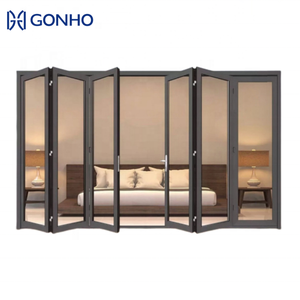
Industrial-grade acoustic dampening seals coupled with integrated accordion insect screen tracks for large exterior openings and high-traffic dividers.
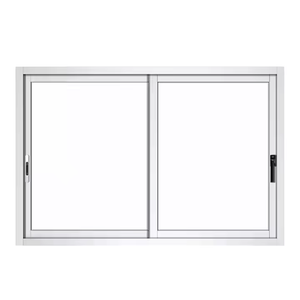
Designed for institutional facilities, hotels, and schools with integrated insect guard netting, reinforced interlocks, and low-friction bottom rolling mechanics.
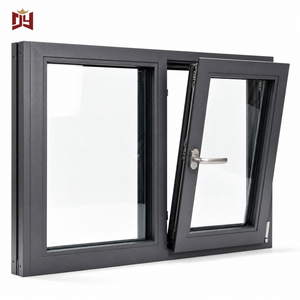
Precision multi-chamber polyamide thermal barriers paired with inward-opening bug net frames. Delivers low Uw values down to 1.1 W/m²K for European climate zones.
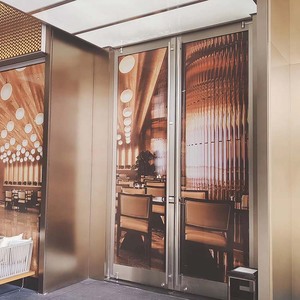
Postmodern aesthetic paired with double tempered glazing and concealed magnetic-mount insect screens. Engineered for upscale villas and terrace transitions.
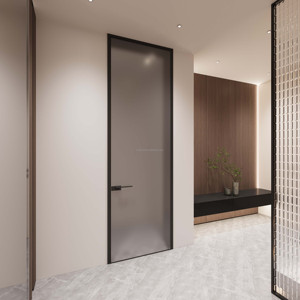
Ultra-narrow frame extrusion offering unobstructed optical clarity, coupled with concealed insect protection screens for modern hotel suites and private residences.
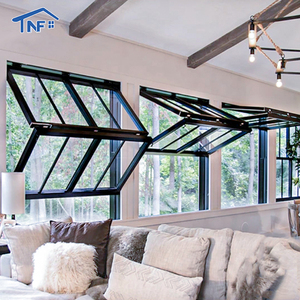
Counterbalanced gas-strut vertical opening systems for commercial bar fronts and kitchen serveries, featuring roll-down micro-mesh insect screening.
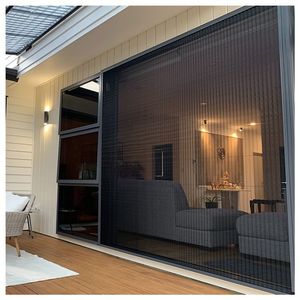
Zero-barrier bottom threshold track, tensioned Kevlar cabling, and high-tenacity pleated anti-fly mesh. The prime solution for large doorway screen integrations.
A globally trusted OEM & ODM manufacturer delivering intelligent architectural fenestration, rigorous 360° quality management, and zero-defect global shipments for over 25 years.
Operates state-of-the-art automated CNC profile-milling centers, digital crimping stations, and robotic surface-treatment lines in Foshan, Guangdong. Boasts an annual capacity exceeding 1,000,000 m² to safeguard strict project timelines.
Pioneering the industry with over 100 proprietary structural and utility patents, including our signature Four-Side Six-Point Security Multi-Locking System. Our dedicated R&D engineering wing features 30+ senior fenestration specialists.
From prestigious Hilton and Atour hotel resorts to luxury villas in Beverly Hills, Ruyi Lake, and Emerald City, our commercial solutions serve over 300 tier-one importers, fabricators, and property contractors across Europe, the US, and Oceania.
A technical guide on mechanical extrusion metallurgy, insect screening polymers, security mesh weaving, and supply chain quality control.
In high-performance fenestration and net door systems, the structural framework serves as both the thermal and mechanical foundation. Standard commercial doors frequently utilize substandard recycled billets that cause micro-fissuring at 45-degree and 90-degree mitre corners. DERCHI strictly specifies virgin 6063-T5 and 6063-T6 aluminum alloys possessing a minimum web thickness of 1.4mm to 2.0mm for residential openings, and up to 3.0mm for heavy-duty commercial terrace doors.
Under T6 heat-treatment parameters, tensile yield strength exceeds 205 MPa, guaranteeing structural resilience against high wind-load pressures up to 3000 Pa (Class C4/C5 per AS2047 standards). Furthermore, corner assemblies rely on heavy cast-aluminum corner cleats combined with dual-component expanding epoxy injection, eliminating sash sagging over expansive operating cycles.
Selecting the optimal screening mesh is a critical engineering decision dictated by application parameters:
Coastal and extreme continental climates cause rapid galvanic and chemical oxidation on exposed aluminum profiles. Our manufacturing base utilizes electrostatic Qualicoat-certified architectural polyester powder coatings capable of enduring 1,000+ hours of continuous neutral salt spray (ASTM B117) without micro-blistering.
For elite installations, our 25-micron architectural anodized finishes or multi-coat Kynar 500 PVDF treatments resist acid rain, degradation from extreme solar UV-A/UV-B index levels, and maritime chloride salt crystallization, maintaining aesthetic luster for more than 20 years.
Forward-thinking fenestration buyers are restructuring their procurement frameworks around four macro vectors.
Global accessibility directives (such as the European EN 17210 and US ADA codes) are driving the phase-out of tall bottom tracks. Next-generation net doors integrate submerged, water-draining flush tracks or magnetic recessed drop-seals that eliminate tripping hazards while preventing air and water infiltration.
Manual sliding locks are being rapidly replaced by motor-driven concealed mechanisms linked directly to building management systems (BMS). Doors now incorporate biometric thumbprint handles, dry-contact automation interfaces, and automated magnetic latching without breaking the structural thermal envelope.
With the implementation of the European Carbon Border Adjustment Mechanism (CBAM) and global LEED standards, tier-one developers require documented cradle-to-gate Environmental Product Declarations (EPDs). Sourcing low-carbon aluminum smelted with renewable hydroelectric energy is now a prerequisite for large municipal and institutional bids.
High labor costs across European and North American job sites have accelerated the shift toward fully assembled, factory-glazed units. Importers prioritize OEM partners capable of pre-calibrating integrated fly screens, glass panes, magnetic tracks, and hardware trims within dedicated export steel crates.
Engineered answers addressing technical compliance, minimum orders, surface tolerances, and global shipping logistics.