Catalog Overview
High-Performance Architectural Systems & Kitchen Enclosures
Engineered with heavy-wall 6063-T6 aluminum alloys, thermal barriers, and precision European hardware for demanding residential and commercial spaces.
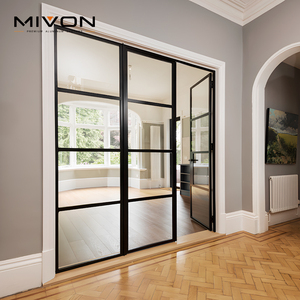
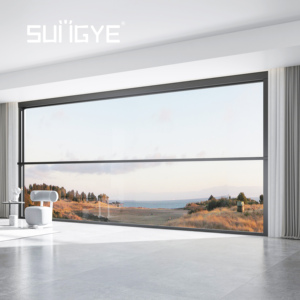
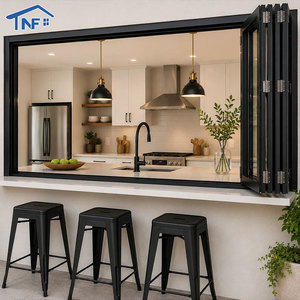
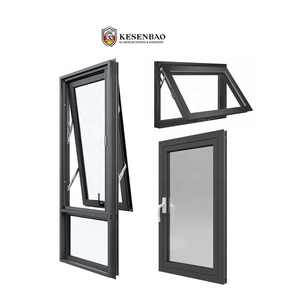
180,000m²
Dedicated Production Base
1,000,000m²+
Annual Fabricated Capacity
100+
Proprietary Inventions & Patents
18,000+
Global Landmark Installations
Engineering Whitepaper
The Structural Shift in Kitchen Fenestration: Thermal Isolation, Oil-Fume Containment, and Architectural Integration
In modern residential architecture and commercial development, the functional definition of the "kitchen door" has fundamentally transformed. Historically treated as simple interior partitions or lightweight utility access panels, modern architectural floorplans—predominated by open-concept living, indoor-outdoor alfresco dining, and stringent carbon-neutral building codes—demand industrial-grade engineering from fenestration manufacturers. Sourcing CE-certified aluminum kitchen doors requires evaluating systems that simultaneously resolve thermal transmittance (U-values), oil-fume vapor sealing, acoustic dampening, and mechanical cycle endurance.
Under European standard EN 14351-1:2006+A2:2016 (Windows and doors - Product standard, performance characteristics), kitchen doors opening directly to verandas, patios, lightwells, or serving as thermal zoning envelopes must satisfy verified thresholds for air permeability (EN 12207), watertightness (EN 12208), and resistance to wind loads (EN 12210). Concurrently, internal kitchen partitions, such as ultra-slim Crittall-style French systems, demand specialized anodic oxidation or electrostatic powder coating finishes capable of withstanding acidic cooking vapors, frequent chemical detergent wipe-downs, and elevated relative humidity without micro-corrosion or coating delamination.
Key Engineering Parameter: Unlike standard living room glazing, kitchen fenestration deals with dynamic grease aerosols and rapid micro-climate fluctuations (cooking heat loads vs. exterior ambient cold). Utilizing PA66 GF25 thermal breaks reinforced with 25% glass fiber prevents internal frame condensation, mitigates thermal bowing, and guarantees that multi-point locking pins retain millimeter-accurate engagement over 100,000 operational cycles.
Acoustic Attenuation and Vapor Barrier Mechanics
Commercial and high-density residential properties increasingly specify kitchen door systems to mitigate high-frequency acoustic emissions originating from extractors, dishwashers, and food prep appliances. By combining laminated safety glass (e.g., 6mm Low-E + 1.14PVB + 6mm Clear) with continuous dual or triple EPDM vulcanized sealing gaskets, aluminum kitchen doors achieve sound reduction indices exceeding Rw 38 dB to 42 dB. The structural rigidity of 6063-T6 alloy frames prevents frame deflection under intense pressure differentials caused by high-powered commercial kitchen exhaust hoods.
| Performance Characteristic | European Standard (EN / ISO) | DERCHI Factory Benchmarks | Architectural Benefit |
|---|---|---|---|
| Thermal Transmittance (Uw) | EN ISO 10077-1 / EN ISO 10077-2 | 0.8 W/(m²·K) – 1.4 W/(m²·K) | Meets German GEG, French RE2020, and UK Building Regs Part L |
| Air Permeability | EN 12207 | Class 4 (Max airtightness @ 600 Pa) | Total containment of cooking vapors and zero air drafts |
| Watertightness | EN 12208 | Class 9A / E1050 (≥ 1050 Pa pressure) | Zero water penetration during severe driving monsoon storms |
| Wind Load Resistance | EN 12210 | Class C5 / B5 (Relative front deflection < 1/300) | Structural integrity for coastal and high-rise applications |
| Mechanical Durability | EN 1191 / EN 12400 | Class 8 (≥ 100,000 continuous test cycles) | Reliable long-term performance under heavy daily duty |
| Acoustic Isolation | EN ISO 717-1 | Rw (C; Ctr) = 38 dB (-1; -4) to 44 dB | Complete acoustic zoning between kitchen noise and living areas |
Strategic Sourcing
Future Procurement Trends in Architectural Kitchen Fenestration
How global supply chain leaders, quantity surveyors, and property developers are optimizing specifications to guarantee regulatory compliance and lifetime cost-efficiency.
Embodied Carbon & EPD Auditing
Global developers now demand Environmental Product Declarations (EPD). Specifiers are shifting to low-carbon primary aluminum billets extruded using clean hydro-electric energy to align with EU ESG frameworks.
Zero-Barrier Threshold Transitions
Flush floor thresholds with hidden sub-drainage channels are dominating modern kitchen-to-patio designs. This ensures uninterrupted indoor-outdoor movement compliant with European barrier-free accessibility guidelines.
Four-Side Multi-Point Locking
Standard latch locks are being replaced by multi-point interlock mechanisms. Securing door sashes across four axes eliminates corner warping and resists forced residential entry attacks up to RC2 and RC3 security ratings.
Modular Offsite Pre-Glazing
To slash expensive on-site glazing labor costs in Europe, North America, and Australia, commercial procurement prioritizes factory pre-glazed, unitized, crated systems that drop directly into structural rough openings.
Engineering Roadmap
Emerging Technology Trends in Aluminum Door Systems
Continuous investment in metallurgical engineering, automated machining, and thermal science drives next-generation product design.
Tech Vector 01
Micro-Cavity Multi-Chamber Extrusions
Transitioning from basic double-chamber profiles to complex multi-cavity designs filled with expanded aerodynamic foam insulation, lowering thermal bridging across slim frame profiles.
- Polyamide PA66 GF25 barriers up to 34mm wide
- Elimination of cold spots near cooking preparation zones
- Superior structural moment of inertia for spans over 3.5m
Tech Vector 02
Super-Hydrophobic & Oleophobic Coatings
Pioneering fluoropolymer surface treatments that actively repel oil-aerosols, grease spatter, and fine particulate matter, keeping ultra-slim Crittall profiles clean with simple water wipe-downs.
- Certified Qualicoat Class 2 & Qualanod standards
- Anti-scratch matte architectural finishes
- Zero VOC emissions within internal kitchen living environments
Tech Vector 03
Smart Automation & Integrated Magnetic Drive
Brushless DC magnetic levitation linear motors concealed directly inside the top track for effortless, whisper-quiet automated pocket doors and heavy-duty sliding panels.
- Touchless motion-sensor opening for chef convenience
- Full integration into KNX, Zigbee, and smart-home systems
- Manual override fail-safe during power outages
Factory Direct Assurance
Guangdong Dejiyoupin Doors & Windows Enterprise Strengths
Operating under the DERCHI brand, our Foshan manufacturing campus provides turnkey design, engineering, compliance documentation, and export logistics for worldwide projects.
180,000 m² Intelligent Campus
Equipped with high-precision CNC 5-axis machining centers, automatic corner crimping units, and robotic glass loading systems producing over 1,000,000 m² of certified fenestration annually.
Over 25 Years of Industry Authority
Honored as a "China Famous Brand" by Xinhua News Agency, we have delivered more than 18,000 high-profile projects globally, including Hilton Hotels, Beverly Hills luxury villas, and luxury residential developments.
100+ Patents & 4-Side Locking
Our dedicated R&D center of 30+ engineers invented the patented Four-Side Six-Point Lock, delivering unmatched anti-burglary protection and airtight frame sealing for international projects.
Comprehensive Multi-National Audits
Fully compliant with CE Marking (EN 14351-1), Australian AS2047 / AS1288, USA NFRC & Miami-Dade Hurricane Impact ratings, Canadian CSA, Energy Star, and ISO 9001 certified quality control.
Rigorous 8-Step Engineering Service
From initial architectural drawing review, thermal Uw analysis, and shop drawing confirmation to custom crating, container load optimization, and on-site remote installation guidance.
Heavy-Duty Seaworthy Export Packaging
All units are packed in fully enclosed plywood crates with corner shock-absorbers, moisture-barrier vacuum films, and steel strap reinforcements ensuring zero breakage upon arrival at overseas ports.
Technical Support
Frequently Asked Questions on CE Kitchen Door Procurement
Clear, engineering-backed answers address regulatory compliance, installation preparation, and factory lead times.
What specific CE documentation accompanies each shipment of aluminum kitchen doors?
Every shipment to European ports includes an official Declaration of Performance (DoP) compliant with Construction Products Regulation (EU) No 305/2011 and EN 14351-1. We supply certified lab test reports detailing air permeability (EN 12207), watertightness (EN 12208), wind load resistance (EN 12210), and verified thermal transmittance calculations (EN ISO 10077-1/2) alongside individual CE labels affixed to each door sash.
Can aluminum kitchen doors be configured to meet regional energy codes (e.g., GEG, RE2020, Part L)?
Yes. Our engineers configure profile extrusion depth (ranging from 65mm to 120mm), multi-cavity polyamide thermal breaks (PA66 GF25), and specialized glazing packages (double or triple insulated glass with argon gas, warm-edge spacers, and double Low-E coatings) to hit precise targets, achieving overall Uw values as low as 0.8 to 1.2 W/(m²·K).
How do aluminum frames perform against cooking grease and high kitchen humidity over time?
Our aluminum door profiles undergo multi-stage chemical pretreatment followed by architectural-grade electrostatic powder coating (Qualicoat certified) or thick-film anodic oxidation (Qualanod). The resulting surface is non-porous, corrosion-resistant, and chemically stable, meaning grease deposits, oil-fumes, and regular household cleaning detergents will not cause blistering, yellowing, or micro-pitting.
What threshold options are available for kitchen-to-terrace transition doors?
We provide three distinct threshold configurations: (1) Standard high-performance rebate thresholds offering maximum hurricane-grade water-tightness (Class 9A/E1050), (2) Low-profile 15mm ramped aluminum thresholds compliant with universal barrier-free access, and (3) Completely flush recessed sub-track systems equipped with hidden linear drains that sit level with finished kitchen tiles and outdoor patio decks.
What is the standard production lead time and sea freight schedule to Europe and North America?
Standard factory production is 25 to 35 business days following final approval of CAD shop drawings. Sea container transit from our central Foshan factory via Shenzhen or Guangzhou ports takes approximately 28 to 35 days to Western European hub ports (Rotterdam, Hamburg, Felixstowe) and 18 to 25 days to North American West/East Coast destinations.
How does the factory support site contractors during overseas installation?
We supply comprehensive bilingual shop drawings, anchor hole spacing diagrams, perimeter silicone flashing details, and complete step-by-step video manuals. In addition, our senior engineering team provides real-time remote video conference support and direct technical consultations with project site supervisors to resolve structural opening discrepancies.
Initiate Your Commercial Kitchen Door Specification Today
Submit your architectural drawings, door schedules, or tender documents. Our engineering division will return a fully itemized technical proposal—including static wind load calculations, thermal performance simulations, and factory-direct volume pricing—within 24 business hours.